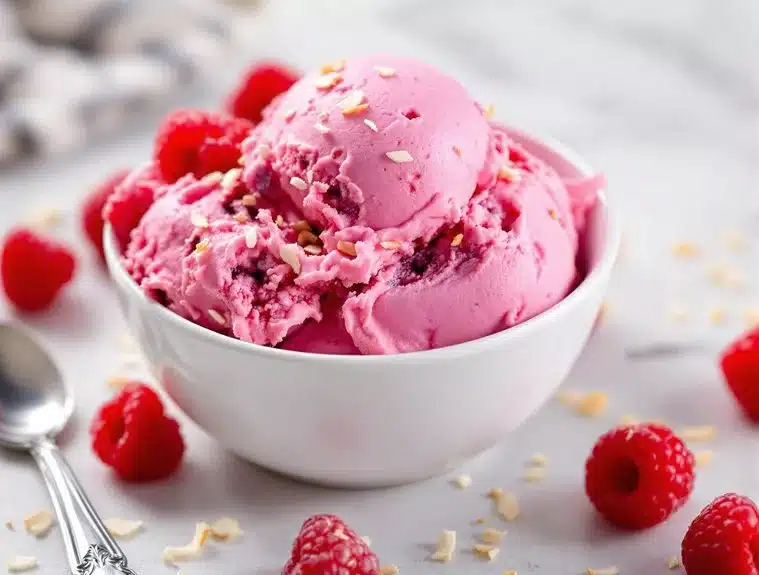
Unlock Indulgent Creaminess: Dairy-Free Raspberry Coconut Ice Cream
For far too long, "dairy-free ice cream" was synonymous with "sad compromise." Many of us have experienced the disappointment of an icy, flavorless scoop, leaving us longing for the rich, creamy indulgence of traditional frozen desserts. But what if we told you that the era of compromise is over? Prepare to have your taste buds awakened by a revelation: homemade
raspberry coconut ice cream that doesn't just rival dairy versions – it often surpasses them in vibrant flavor and luscious texture. This isn't just a recipe; it's a testament to the power of plant-based ingredients to create something truly extraordinary, proving that you can achieve professional-grade results right in your own kitchen. With an astonishing 48% of Americans actively seeking dairy-free frozen dessert alternatives, this tropical-inspired treat hits all the right marks, delivering an experience that's both deeply satisfying and entirely free from dairy.
The Dairy-Free Revolution: Why This Raspberry Coconut Ice Cream Changes Everything
Forget everything you thought you knew about plant-based frozen treats. This particular
raspberry coconut ice cream is a game-changer because it embraces a fundamental principle often overlooked in dairy-free dessert making: the intelligent use of natural fats and vibrant, fresh ingredients. Its success lies in a precise blend that marries the exotic richness of full-fat coconut milk with the bright, tangy burst of fresh raspberries. This isn't some bland imitation; it's a celebration of flavor, texture, and natural goodness.
Inspired by traditional Southeast Asian dessert techniques, this recipe artfully balances the inherent sweetness and richness of coconut with the sharp tartness of raspberries. This creates a multifaceted flavor profile that is both refreshing and deeply satisfying, echoing the masterful balance found in authentic Thai coconut desserts. The result is a smooth, scoopable, and utterly delicious ice cream that delights dairy lovers and plant-based enthusiasts alike. It’s the kind of dessert that sparks friendly arguments over the last scoop and makes your guests wonder if you've unlocked some secret to indulgent vegan treats. The beauty of it? The "secret" is surprisingly simple, relying on quality ingredients and a few crucial techniques anyone can master.
The Unsung Hero: Unlocking Creaminess with Full-Fat Coconut Milk
At the heart of any truly exceptional
raspberry coconut ice cream lies one star ingredient: full-fat coconut milk. This isn't just an alternative; it's the foundation upon which unparalleled creaminess is built. Unlike many plant-based milk substitutes, full-fat coconut milk boasts a naturally high fat content, primarily healthy saturated fats. These fats are essential because they mimic the mouthfeel and richness traditionally provided by dairy cream, preventing the dreaded icy, hard texture often associated with homemade dairy-free ice cream.
The importance of choosing *full-fat* coconut milk cannot be overstated. This is where many aspiring dairy-free dessert makers falter. Light coconut milk, while seemingly a healthier option, contains significantly less fat and a higher water content. As water freezes into ice crystals, it inevitably leads to a gritty, icy texture rather than the smooth, velvety consistency we crave. Trust us, we've learned this the hard way through countless disappointing batches that resembled flavored ice cubes more than ice cream.
When selecting your coconut milk, look for cans that feel heavy and don't slosh much when shaken – this indicates a thick, rich content. Once opened, the coconut milk should be thick and creamy, often with a solid layer of coconut cream at the top. This is pure gold for your ice cream! Avoid brands that appear thin or watery. This simple choice is arguably the most critical step in ensuring your
Master Creamy Dairy-Free Ice Cream: Full-Fat Coconut Milk Secret is successful. Beyond the coconut milk, sugar plays a dual role: it sweetens the ice cream and also acts as a natural antifreeze, further contributing to a softer, more scoopable texture by lowering the mixture's freezing point.
Crafting Perfection: Step-by-Step Guide to Your Best Batch
Creating this luxurious
raspberry coconut ice cream is a rewarding process that requires attention to a few key details. Here’s how to ensure every batch is a masterpiece:
Essential Ingredients for Success:
- Full-Fat Coconut Milk: As discussed, this is non-negotiable for creaminess. Aim for high-quality brands.
- Fresh Raspberries: While frozen raspberries work (thawed first!), fresh berries offer the most vibrant flavor and stunning natural color. Using mushy or overripe berries can lead to a flat taste, so prioritize quality.
- Granulated Sugar: Balances the tartness of the raspberries and aids in achieving the perfect texture.
- Quality Vanilla Extract: Don't skimp here! A good vanilla extract adds depth and warmth that elevates the overall flavor profile.
The Blending Brilliance:
The first critical step involves combining your ingredients. In your blender, add the full-fat coconut milk, fresh (or thawed frozen) raspberries, sugar, and vanilla extract. Here's a common mistake novice ice cream makers make: not blending long enough. For a truly smooth, crystal-free ice cream, you must blend the mixture until it is *completely* smooth, with no discernible chunks of raspberry remaining. This usually takes about 2-3 minutes on high speed. Small fruit particles can turn into icy bits during freezing, compromising the creamy texture. So, blend, blend, blend until silken.
The Churning Magic:
Once blended, pour your vibrant pink mixture into your pre-chilled ice cream maker. Churn according to your manufacturer's instructions. The churning process introduces air into the mixture and prevents large ice crystals from forming, contributing significantly to the ice cream's smooth texture. Pay attention to the consistency: when properly churned, the mixture should resemble a thick soft-serve ice cream. It will be much softer than what you'd typically scoop from the freezer, but don't worry – it firms up beautifully during the final freezing stage.
Freezing for Firmness:
Transfer the freshly churned
raspberry coconut ice cream into a lidded, airtight container. This helps prevent freezer burn and keeps unwanted freezer odors out. For an extra touch of tropical flair, consider sprinkling some shredded coconut on top before freezing – toasted coconut adds an incredible aroma and crunch. Cover tightly and freeze for at least 4 hours, or preferably overnight, until it reaches a firm, scoopable consistency. Thanks to the natural fats in the coconut milk, your ice cream will remain wonderfully scoopable, avoiding the rock-hard state that often plagues other dairy-free versions. For a deeper dive into crafting this tropical delight, check out our guide:
Tropical & Tart: The Ultimate Dairy-Free Raspberry Coconut Ice Cream.
Troubleshooting & Beyond: Expert Tips for Success
Even with the best intentions, sometimes things don't go exactly as planned. Here's how to troubleshoot common issues and elevate your
raspberry coconut ice cream experience:
"My Ice Cream Turned Out Icy!"
This is the most frequent complaint, and it almost always boils down to two main culprits:
- Using Light Coconut Milk: As emphasized, this is the primary reason for icy results. Always opt for full-fat.
- Insufficient Blending: If you had chunks of fruit, they will freeze into ice. Ensure your mixture is completely smooth before churning.
- Not Enough Sugar: Sugar isn't just for sweetness; it impacts texture. Ensure you're using the specified amount.
The Fix: Don't despair! If your ice cream is too icy, let it soften at room temperature, then try re-churning it in your ice cream maker. If re-churning isn't an option, you can blend it again until smooth and refreeze it. It might result in a slightly different, more "semifreddo-style" texture, but it will still be delicious!
Flavor Adjustments:
*
Too Tart? Raspberries vary in sweetness. If your batch is too tart for your liking, you can slightly increase the sugar next time.
*
Needs More Zing? A tiny squeeze of fresh lime juice can brighten the flavors and enhance the tropical notes of the coconut.
Creative Serving Suggestions:
*
Garnish: Fresh raspberries and a sprinkle of toasted shredded coconut are classic.
*
Sauces: A drizzle of dairy-free chocolate sauce or a warm berry compote can take it to the next level.
*
Pairings: Serve alongside a slice of vegan chocolate cake, a warm fruit crumble, or simply enjoy it on its own.
*
Advanced Tip: For an even more intense vanilla flavor, consider steeping a vanilla bean pod (split and scraped) in the coconut milk overnight before blending, then removing the pod before processing.
This
raspberry coconut ice cream recipe is surprisingly forgiving and offers plenty of room for creative expression once you master the foundational techniques. It’s also a fantastic make-ahead dessert for entertaining, as it holds up beautifully in the freezer.
Indulgence Without Compromise: Your New Favorite Frozen Treat
The journey to truly indulgent dairy-free desserts doesn't have to be paved with disappointment. This
raspberry coconut ice cream stands as a shining example of how understanding ingredients and technique can transform expectations. By harnessing the natural richness of full-fat coconut milk and the vibrant essence of fresh raspberries, you can create a frozen treat that is not only dairy-free but also boasts a luxurious creaminess and exquisite flavor that will impress even the most discerning palates. Say goodbye to icy compromises and hello to a world of creamy, tropical bliss. Give this recipe a try, and discover for yourself why it's quickly becoming a beloved staple in homes seeking delicious, plant-based indulgence.