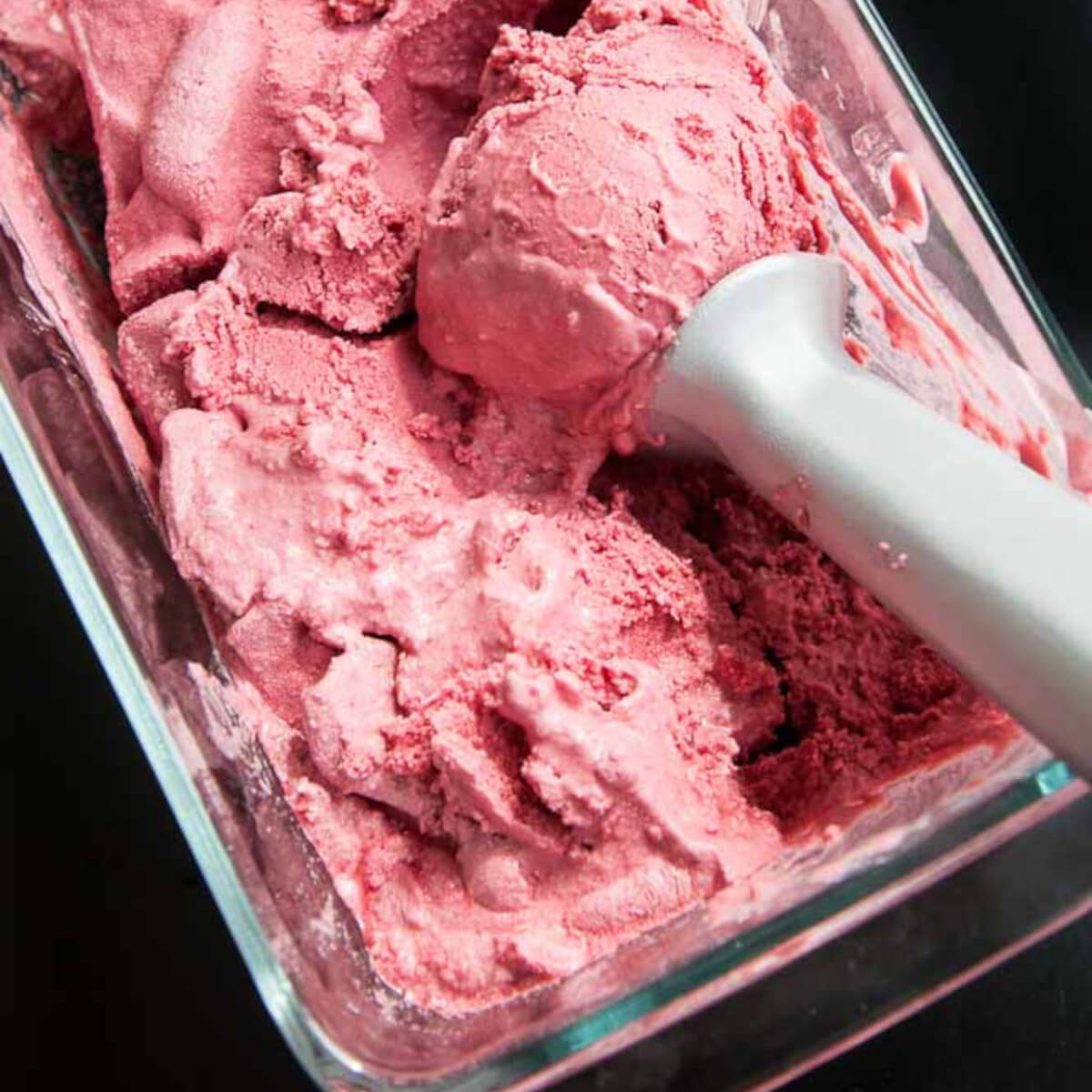
The Dairy-Free Dream: Unlocking Truly Creamy Ice Cream
For too long, the phrase "dairy-free ice cream" conjured images of icy, bland, or stubbornly hard-to-scoop frozen desserts. Many of us have navigated a landscape of plant-based compromises, accepting that a truly indulgent, velvety texture was simply unattainable without traditional dairy cream. But what if we told you that the secret to a perfectly creamy, intensely flavorful dairy-free ice cream lies within a humble can of full-fat coconut milk? Prepare to have your perceptions shattered as we dive into mastering the art of homemade Unlock Indulgent Creaminess: Dairy-Free Raspberry Coconut Ice Cream – a recipe so good, it rivals its dairy counterparts and often surpasses them in unique tropical delight.
The demand for delicious dairy-free alternatives has never been higher, with statistics showing that nearly half of Americans actively seek out these options. Yet, the challenge remains: how do you replicate the rich mouthfeel and delightful scoopability that dairy fats naturally provide? The answer, discovered through countless experiments and a deep dive into traditional Southeast Asian techniques, is surprisingly simple. By leveraging the natural, abundant fats in high-quality full-fat coconut milk, you can create a Tropical & Tart: The Ultimate Dairy-Free Raspberry Coconut Ice Cream that is not just "good for dairy-free," but genuinely *good* – period. This article will guide you through the crucial steps and insights to achieve professional-grade results in your home kitchen, ensuring every scoop is a testament to creamy, dairy-free perfection.
Why Most Dairy-Free Ice Cream Fails (And How We Fix It)
The primary hurdle in dairy-free ice cream production is fat content. Dairy cream is rich in milk fat, which disperses beautifully, creating tiny air pockets during churning and preventing large ice crystals from forming. Without this fat, water molecules in other plant-based milks (like almond or oat) are free to crystallize, resulting in that disappointing, rock-hard, or overly icy texture. Many early attempts at vegan ice cream relied on lower-fat alternatives, leading to a reputation for being an inferior substitute.
Our breakthrough comes from understanding that fat is flavor and texture. Full-fat coconut milk, particularly the thick cream at the top of a settled can, boasts a significant fat content. This fat behaves similarly to dairy fat during the freezing process, disrupting ice crystal formation and yielding a remarkably smooth, scoopable consistency. When combined with the vibrant tartness of fresh raspberries, the richness of the coconut is perfectly balanced, creating an exciting flavor profile that's both refreshing and deeply satisfying. This isn't a compromise; it's a culinary elevation.
The Unsung Hero: Full-Fat Coconut Milk Explained
If there's one non-negotiable component in achieving exceptional dairy-free creaminess, it's full-fat coconut milk. This isn't just an ingredient; it's the foundation upon which your perfect raspberry coconut ice cream will be built. But not all coconut milk is created equal, and choosing the right one is paramount.
Selecting the Best Coconut Milk: A Crucial Step
- Go Full-Fat, Always: This cannot be stressed enough. Light coconut milk, with its reduced fat content and higher water ratio, is the archenemy of creamy ice cream. It will inevitably lead to an icy, granular texture. Always opt for full-fat.
- Shake Test: When buying canned coconut milk, pick up a few cans and gently shake them. A good quality, high-fat can should feel heavy and solid, with minimal or no sloshing sound. If it sloshes easily, it likely contains more water and less cream.
- Brand Matters: While not endorsing specific brands, know that quality varies. Look for brands known for their thick, rich coconut milk, often found in Asian markets or specialty grocery stores. Upon opening, the milk should be thick and almost paste-like at the top, signifying a high concentration of coconut cream.
- The Power of Coconut Fat: Coconut fat (primarily saturated fat) has a unique molecular structure that allows it to remain relatively soft and pliable even at freezing temperatures. This inherent property is why it so brilliantly mimics the texture-enhancing qualities of dairy fat, giving your ice cream that desirable scoopability and melt-in-your-mouth feel.
This commitment to quality coconut milk isn't just about avoiding disappointment; it's about embracing the authentic, tropical richness that defines this dessert. It's the same principle used in traditional Thai coconut-based desserts, where the natural fats provide both luxurious texture and deep flavor.
Crafting Your Perfect Raspberry Coconut Ice Cream
Now that we understand the critical role of full-fat coconut milk, let's assemble our ingredients and walk through the simple steps to create your own luscious raspberry coconut ice cream. No fancy vegan culinary degrees required – just a blender, an ice cream maker, and a desire for deliciousness.
Essential Ingredients and Their Roles:
- Full-Fat Coconut Milk: As discussed, this is your creamy base. Its natural fats prevent iciness and provide a rich, tropical foundation.
- Fresh Raspberries: The star fruit! Fresh raspberries offer vibrant color, intense berry flavor, and crucial tartness that perfectly cuts through the richness of the coconut. While fresh is ideal, thawed frozen raspberries work beautifully (just ensure they are fully thawed to avoid excess water). Avoid mushy, past-their-prime berries, as their flavor will be subdued.
- Granulated Sugar: Beyond sweetness, sugar plays a vital role in the texture of ice cream. It lowers the freezing point of the mixture, further contributing to a softer, less icy final product. Adjust to your preferred sweetness level.
- Pure Vanilla Extract: A touch of quality vanilla extract enhances all the other flavors, adding depth and a subtle aromatic warmth that rounds out the tropical profile.
Step-by-Step Perfection:
- Blend Until Velvety Smooth: Combine your full-fat coconut milk, fresh (or thawed frozen) raspberries, granulated sugar, and vanilla extract in a high-speed blender. This is a critical step! Blend for a full 2-3 minutes, or until the mixture is absolutely silken. Any small chunks of fruit can introduce excess water pockets, leading to an icy texture. The goal is a uniform, liquid purée.
- Chill Thoroughly (Optional, but Recommended): For best results and faster churning, transfer the blended mixture to a covered container and refrigerate for at least 2-4 hours, or even overnight. A colder base churns more efficiently and creates a finer ice crystal structure.
- Churn to Soft-Serve Consistency: Pour the chilled mixture into your ice cream maker and churn according to the manufacturer's instructions. This typically takes 20-30 minutes. You're looking for a consistency similar to thick soft-serve ice cream – it should be noticeably thicker and have gained significant volume. Don't stop too early, as proper churning incorporates air, which is vital for a creamy texture.
- Freeze to Firmness: Transfer the freshly churned raspberry coconut ice cream to a freezer-safe, airtight container. At this stage, you can sprinkle with optional garnishes like shredded coconut for extra texture and flavor. Cover tightly and freeze for at least 4 hours, or until it reaches your desired scoopable firmness. The beauty of the coconut fat is that it helps prevent the ice cream from freezing rock-hard, making it easier to scoop straight from the freezer.
When serving, a garnish of fresh raspberries not only adds visual appeal but also provides a burst of fresh, tart flavor that complements the creamy, sweet ice cream perfectly.
Troubleshooting & Customization: Mastering Your Dairy-Free Creation
Even with the best intentions, homemade ice cream can sometimes present challenges. Here’s how to troubleshoot common issues and personalize your raspberry coconut ice cream.
Common Problems and Solutions:
- Icy Texture:
- Culprit: Most often, this is due to using light coconut milk, not blending the fruit sufficiently, or not churning long enough.
- Solution: If your ice cream is too icy, let it soften slightly, then try re-churning it in your ice cream maker. If re-churning isn't an option, you can re-blend the softened mixture until smooth and refreeze it. While it might not achieve true ice cream texture, it will be closer to a delicious semifreddo. Ensure your original base was *very* cold before churning.
- Too Sweet/Too Tart:
- Culprit: Raspberry ripeness and personal preference.
- Solution: Adjust sugar content to taste before churning. If raspberries are very tart, you might need a little more sugar. If they're extremely sweet, you might reduce it slightly. A dash of fresh lemon juice can enhance tartness if needed.
- Flavor Is Flat:
- Culprit: Old or poor-quality ingredients.
- Solution: Always use fresh, vibrant raspberries and high-quality vanilla extract. Sometimes a tiny pinch of salt can also boost and balance the flavors in sweet dishes.
Creative Customizations:
While the classic raspberry coconut ice cream is a masterpiece, don't hesitate to experiment:
- Other Fruits: Replace raspberries with other berries like blueberries or blackberries, or tropical fruits like mango or passion fruit for different flavor profiles.
- Spice it Up: Add a pinch of cardamom or ginger for an extra layer of warmth and complexity, especially complementary to the coconut.
- Texture Add-ins: Fold in shredded coconut, toasted nuts (like macadamia or pecans), or dairy-free chocolate chips after churning for added crunch and indulgence.
- Extract Variations: Try a few drops of almond extract instead of vanilla for a subtle nutty note.
Conclusion: The Sweet Reward of Dairy-Free Mastery
The journey from icy disappointments to perfectly creamy, scoopable dairy-free indulgence culminates in understanding one simple truth: the power of full-fat coconut milk. By embracing this natural, plant-based marvel and following our precise techniques, you're not just making a dairy-free dessert; you're crafting an extraordinary frozen treat that stands on its own merits. This raspberry coconut ice cream is a testament to how accessible and incredibly satisfying plant-based cooking can be, proving that with the right ingredients and knowledge, indulgence knows no bounds. So go forth, churn with confidence, and prepare to delight your family and friends with a dessert that will undoubtedly become a new household favorite.
